

SoCal Stem Carnival Family STEM Nights are ideal for schools to engage parents in their Childs' STEM experience at school. Learn and enjoy multiple STEM topics with a selection of Lessons and Activities from each larger STEM Lab right from your school’s Multi Purpose Room! Each Stem Night is about 90 minutes, with 4 Rotations of 20 minutes each. Families will enjoy one our lessons, then switch to activity centers, before regrouping for the next lesson and continuing onto their next center.
Family STEM Nights
Lesson Centers
Lesson Centers
-
Includes an Elementary Aerodynamics lesson and challenging flight simulators!
-
Includes a breathtaking Environment Survival and engineering lesson followed by Aqueduct engineering!
-
Includes a friction and movement lesson followed up with fast, furious, and slippery RC cars on a mixed friction track!
-
After learning the essentials of earthquakes in Southern California and around the world, families will work together to build and test structures on shake tables!
-
Family time - 1 hour 30 Min
Set up time - 1 hour prior to kids’ arrival is needed.
Lab Timing ~
4× ~13 Min Centers
4x ~ 10 Min Lessons
Supervision Supervision via staff is required for insurance.
Best suited for 24-30 learners. Parents Welcome!
**Fewer students may be sent, (Admin discretion)
**Custom class sizes, grade level combinations, or other participants are per Admin’s Discretion.
Location - An Indoor location with electricity is needed.
Fire lane/ vehicle/Gate access near classroom is required to expedite set up.
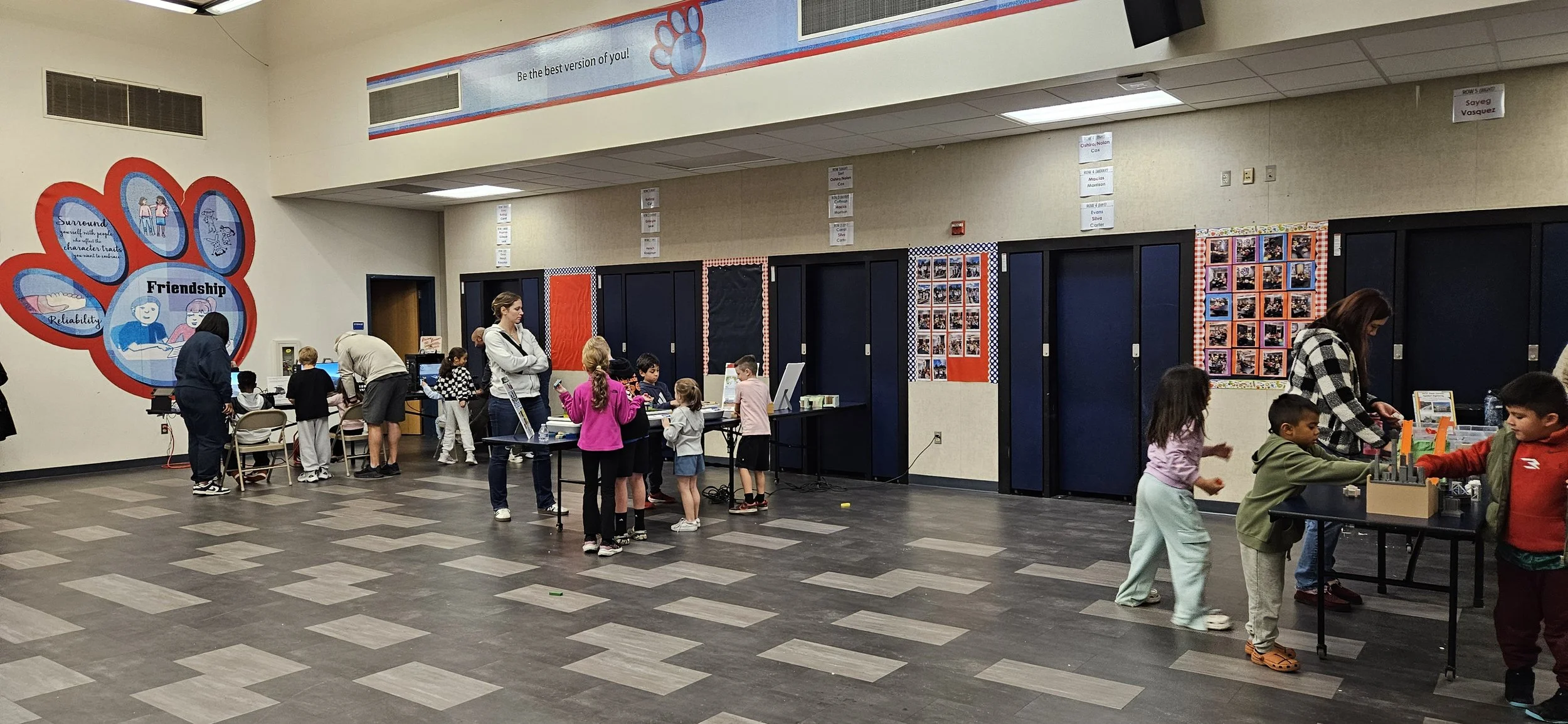
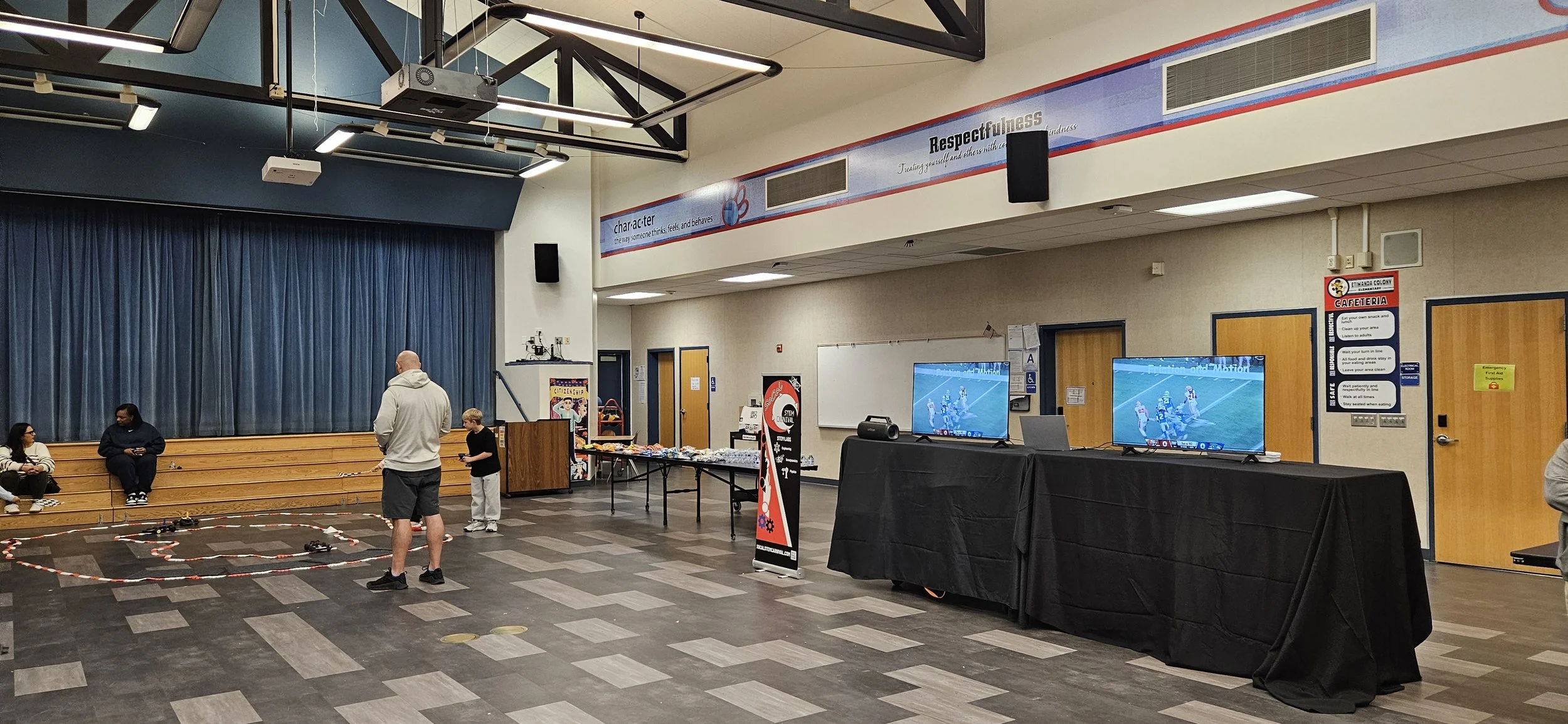
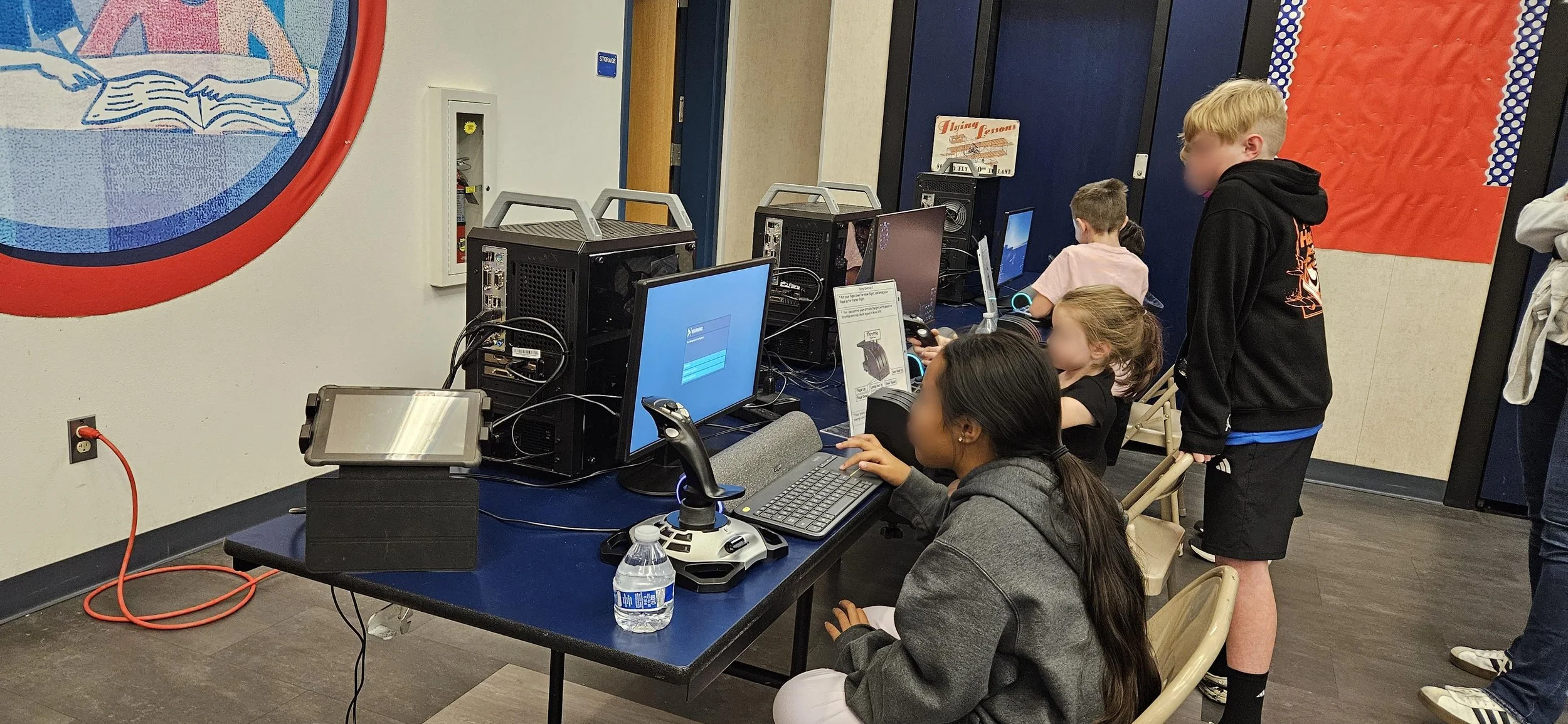
Order one of our Labs for $500, or experience every lab over the course of 4 weeks for $1500. Each After school lab is 1 hour and is good for around 24-30 students.
After-School STEM Classes
Lesson Centers
Lesson Centers
-
Students will learn to fly as they learn all the answers with our Elementary Aircraft Aerodynamics Lab. SoCal STEM carnival has developed several hands on activities that will teach students flight engineering. Students will learn the basic physics and components of flying airplanes including: Lift, low pressure areas, airfoils, wing design, and introductory aerodynamics. This lesson and accompanying activities are safe and designed to immerse students in their own learning experience all the while expanding their knowledge about the physics that make flying possible
-
Earth has 5 major climates with different challenges for organisms to overcome. Animals have developed strength, speed, and agility to survive. Humans run slower, are weaker, and have slower reactions than many of the animals we live around. So how do humans survive? We use culture, tools, and engineering! In this lab, students will learn how tool usage helps humans survive and navigate in the harshest environments!
-
Earthquakes are a common occurrence in California. In this Lab, students will learn and play with plate tectonics - the mechanism that drives Earthquakes! Learn about the basic plate boundaries, formation of mountains, and how to identify a fault line on land! They’ll learn how shapes and structures keep them safe, and have multiple opportunities to build and test against the forces of an earthquake. The students are in for a magnitude of Earth Science experiences!
-
In this lab, students have access to a variety of tools to study friction and its effects on motion and energy. They will use remote control cars to learn that changes in friction require adjustments, drive virtually on mixed friction surfaces, harness potential energy to build the fastest mini cars, and compete with low friction air hockey! Each center and its tools allow students to engage with friction in multiple settings.
-
Student time - 1 hour
Set up time - 1 hour prior to kids’ arrival is needed.
Lab Timing ~ 55 Minutes per class group, with a 5 minute buffer.
Supervision Supervision via staff is required for insurance.
Lab Centers are best suited for 24-30 kids.
**Fewer students may be sent, (Admin discretion)
**Custom class sizes, grade level combinations, or other participants are per Admin’s Discretion.
Location - An Indoor location with electricity is needed.
Fire lane/ vehicle access near classroom is required to expedite set up.